
Vaccines 101: Core vs. Lifestyle Vaccines (Dogs vs. Cats)
Vaccinations are one of the most important tools in preventive health for pets, yet they can feel confusing—especially for new pet owners. Dogs and cats don’t follow the same vaccination plans, and not every pet needs every vaccine. Understanding the difference between core and lifestyle vaccines helps you make confident, informed decisions with your veterinarian. This guide breaks it all down clearly, using the core vs noncore vaccinesaaha+1 framework to support safer, smarter dog and cat care.
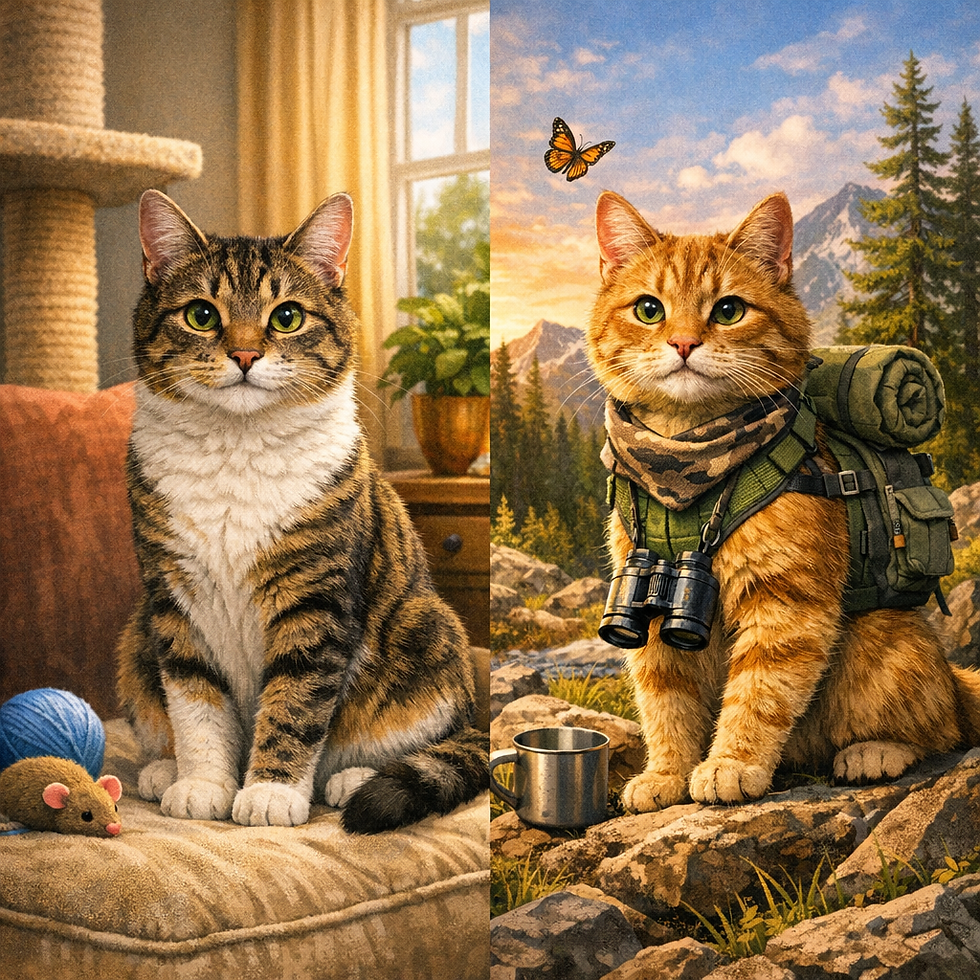
Visual Guide: Dogs vs. Cats Vaccine Overview
This visual comparison helps pet owners quickly see which vaccines are core and which depend on lifestyle—perfect for saving or sharing before your next appointment.

Understanding Core Vaccines
Core vaccines are considered essential for nearly all dogs and cats, regardless of lifestyle or location. These vaccines protect against highly contagious, serious, or fatal diseases and are widely recommended by veterinary associations.
Core Vaccines for Dogs
Most dogs receive protection against:
Canine distemper
Parvovirus
Canine adenovirus (hepatitis)
Rabies (legally required in many regions)
These vaccines are typically given during puppyhood, then maintained with boosters based on your vet’s guidance. The core vs noncore vaccinesaaha+1 approach emphasizes tailoring booster timing to the dog’s age, health status, and risk factors.
Core Vaccines for Cats
Core vaccines for cats generally include:
Feline panleukopenia
Feline herpesvirus
Feline calicivirus
Rabies (often required, even for indoor cats)
Even cats that never go outside benefit from core protection, as viruses can enter the home on clothing or shoes.
Lifestyle Vaccines Explained
Lifestyle, or non-core, vaccines are recommended based on how and where your pet lives. This is where vaccination plans become more personalized.
Lifestyle Vaccines for Dogs
Your dog’s lifestyle may include boarding, grooming, daycare, hiking, or travel. Depending on exposure risk, your vet may recommend vaccines such as:
Bordetella (kennel cough)
Leptospirosis
Lyme disease
Canine influenza
Using the core vs noncore vaccinesaaha+1 mindset helps pet owners avoid overvaccination while still protecting against realistic risks.

Lifestyle Vaccines for Cats
Cats may need additional vaccines if they:
Go outdoors
Live in multi-cat households
Have exposure to new animals
Common lifestyle vaccines include feline leukemia virus (FeLV). Your vet will assess behavior, environment, and long-term health goals before making recommendations.
Why Vaccination Matters for Preventive Health
Vaccines play a central role in preventive health by reducing disease spread, minimizing severe illness, and lowering long-term medical costs. Pets that follow appropriate vaccination plans often experience:
Fewer emergency vet visits
Stronger immune protection
Safer socialization and travel opportunities
Vaccination schedules also integrate naturally with feeding routines, exercise plans, and supplement discussions during wellness exams. Reviewing your pet vaccination schedule regularly ensures consistency as your pet ages.
Addressing Common Vaccine Concerns
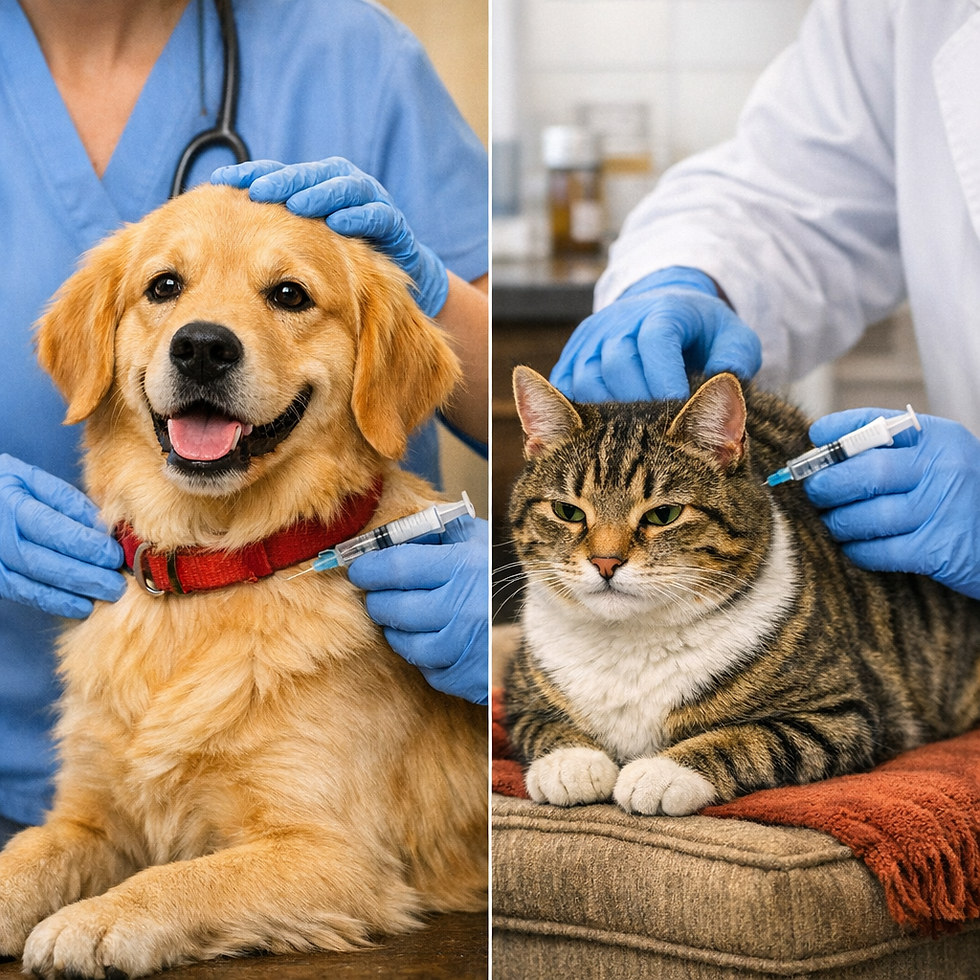
Many pet owners worry about side effects. Most pets experience only mild, short-lived reactions such as sleepiness or temporary soreness. Serious reactions are rare and can often be avoided by spacing vaccines appropriately.
Actionable tips:
Schedule vaccines when you can monitor your pet
Keep feeding routines stable before and after appointments
Inform your vet about previous reactions or health changes
These conversations are part of a thoughtful core vs noncore vaccinesaaha+1 strategy that respects both science and individual pet needs.
Final Thoughts
Vaccinations aren’t one-size-fits-all, and that’s a good thing. By understanding the difference between core and lifestyle vaccines, you can partner with your veterinarian to create a plan that supports long-term wellness. The core vs noncore vaccinesaaha+1 approach puts preventive health first while respecting your pet’s unique lifestyle, nutrition needs, exercise habits, and overall care routine. With the right information, vaccination decisions become empowering—not overwhelming.


Comments