
Pet-Proofing Room by Room: Common Household Hazards
Bringing a pet home means welcoming curiosity on four legs. Dogs and cats explore with mouths, paws, and noses, which makes everyday items potential dangers. Whether you’re a first-time pet parent or have shared your home with animals for years, a thoughtful pet-proofing room your household by room checklist helps reduce accidents, protect health, avoid common household hazards and create truly pet-friendly spaces. This room-by-room guide highlights common household hazards and offers practical solutions that fit seamlessly into daily pet care routines.
Understanding Common Household Hazards
Many pet emergencies happen at home due to overlooked risks. Electrical cords, toxic plants, cleaning products, and small objects are frequent offenders. Puppies and kittens are especially vulnerable, but adult and senior pets can also get into trouble as mobility or vision changes.
A reliable pet proofing checklist improves safety for pets by:
Preventing accidental poisoning and injuries
Reducing stress and emergency vet visits
Supporting long-term preventive health
Pet-proofing is not about removing everything—it’s about smarter organization and awareness.
Essential Pet Proofing Household Checklist
Before going room by room, start with these universal safety steps:
Store medications, supplements, and vitamins in closed cabinets
Secure trash cans with tight-fitting lids
Keep feeding supplies separate from human food
Remove choking hazards like rubber bands or strings
This baseline pet proofing checklist supports both dog and cat care while making daily routines easier to manage.
Living Room Safety
Hidden Risks in Shared Spaces
Living rooms are often where pets spend the most time.
Common hazards include:
Loose cords from TVs or lamps
Houseplants toxic to dogs or cats
Small décor items that can be swallowed
Place cords behind furniture, anchor heavy items, and choose pet-safe plants to create safer, more pet-friendly spaces.

Kitchen and Dining Areas
The High-Risk Food Zone
Kitchens combine smells, food, and chemicals—making them tempting but dangerous.
Key steps for safety for pets:
Lock cabinets containing cleaners
Store human food like chocolate or onions out of reach
Keep feeding routines consistent to reduce counter-surfing
Align your pet proofing checklist with feeding schedules to prevent accidental ingestion. You can also # to better separate pet-safe foods from hazards.

Bedroom and Bathroom Protection
Small Items, Big Dangers
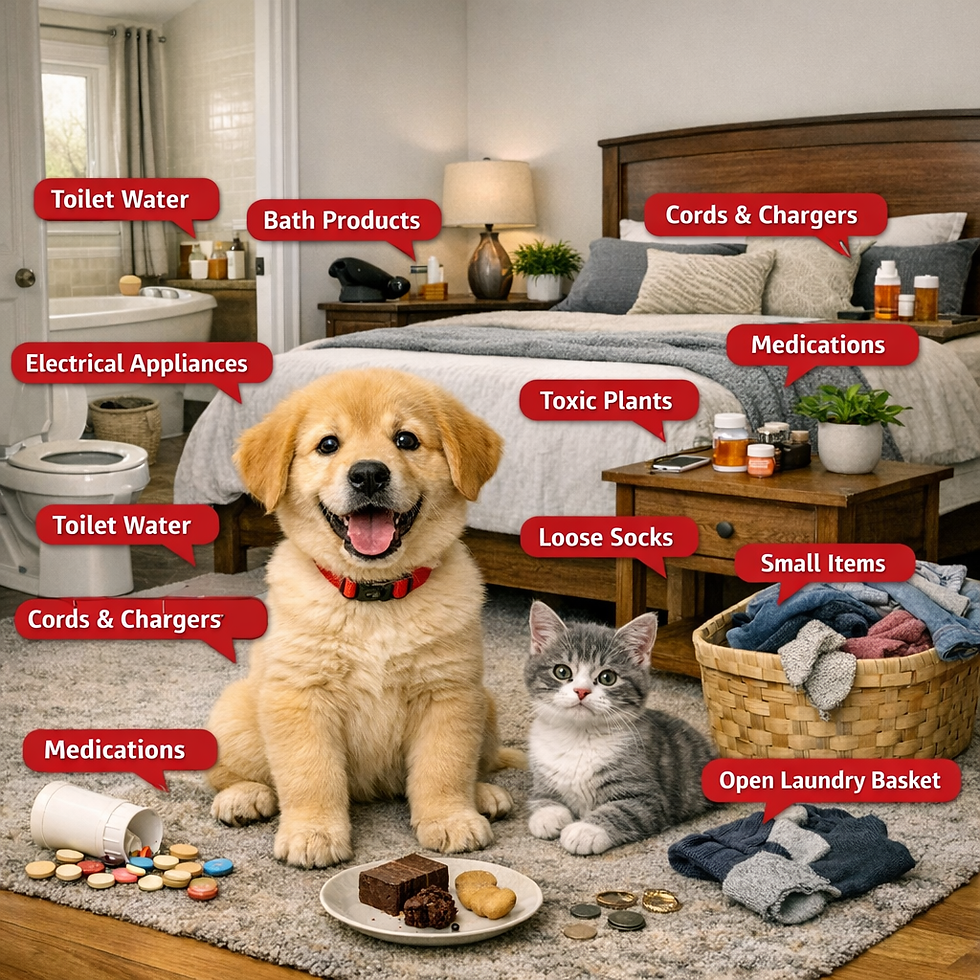
Bedrooms and bathrooms contain items pets may chew or ingest:
Medications on nightstands
Laundry items that can cause blockages
Toiletry products like toothpaste or mouthwash
Use hampers with lids and keep doors closed when possible. Bathroom safety also includes closing toilet lids and storing grooming products securely. A strong pet proofing checklist here supports preventive health and reduces late-night emergencies.
Creating Safer Pet-Friendly Spaces
Pet-proofing isn’t just defensive—it’s proactive. Designing dedicated pet-friendly spaces with proper bedding, toys, and feeding areas keeps pets engaged and less likely to explore hazards.
Pair environmental safety with:
Regular exercise to reduce boredom
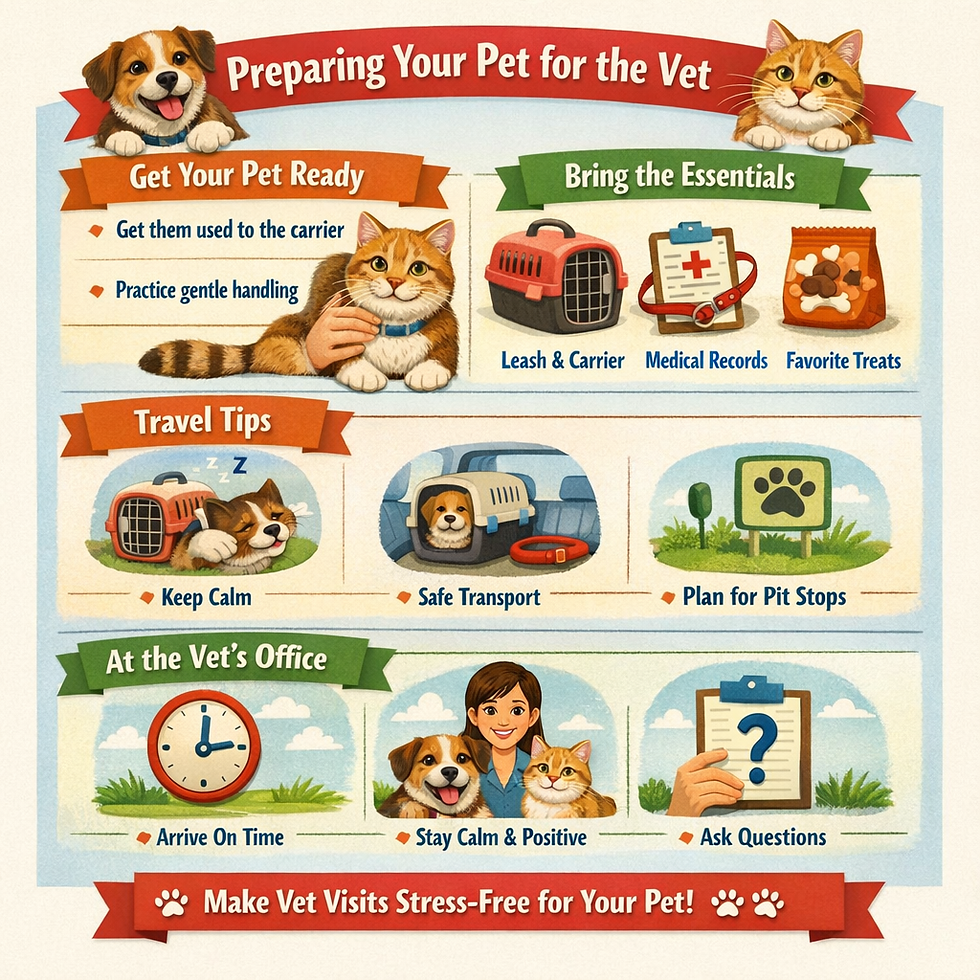
Routine vet visits—#
Consistent nutrition and supplements stored safely

Final Thoughts
A thoughtful pet proofing checklist is one of the most effective tools for protecting your dog or cat at home. By identifying household hazards room by room and making simple adjustments, you support safety for pets while creating calm, pet-friendly spaces. Revisit your checklist regularly as pets grow, routines change, or new items enter your home. Small steps today can prevent big emergencies tomorrow and help your pet live a healthier, happier life.


Comments