
Parasite Prevention Basics: Fleas, Ticks, Heartworm, and Worms
Parasites may be small, but they pose big risks to dogs, cats, and even humans. From itchy flea infestations to life‑threatening heartworm disease, parasites can undermine your pet’s health quickly if prevention is inconsistent. Whether you’re a new pet owner or refreshing your routine, understanding flea tick heartworm preventioncapcvet+1 principles help you protect your pet with confidence and clarity.

Why Parasite Prevention Is a Cornerstone of Preventive Health
Veterinary authorities recommend parasite prevention as a year‑round commitment—not a seasonal one. According to the Companion Animal Parasite Council (CAPC), heartworm and tick‑borne diseases occur in all U.S. states, making consistent protection essential. A comprehensive flea tick heartworm preventioncapcvet+1 approach reduces emergency vet visits, supports long‑term wellness, and protects families from zoonotic diseases. Learn more at the Companion Animal Parasite Council.
Fleas and Ticks: More Than Just an Itch
Flea Prevention Essentials
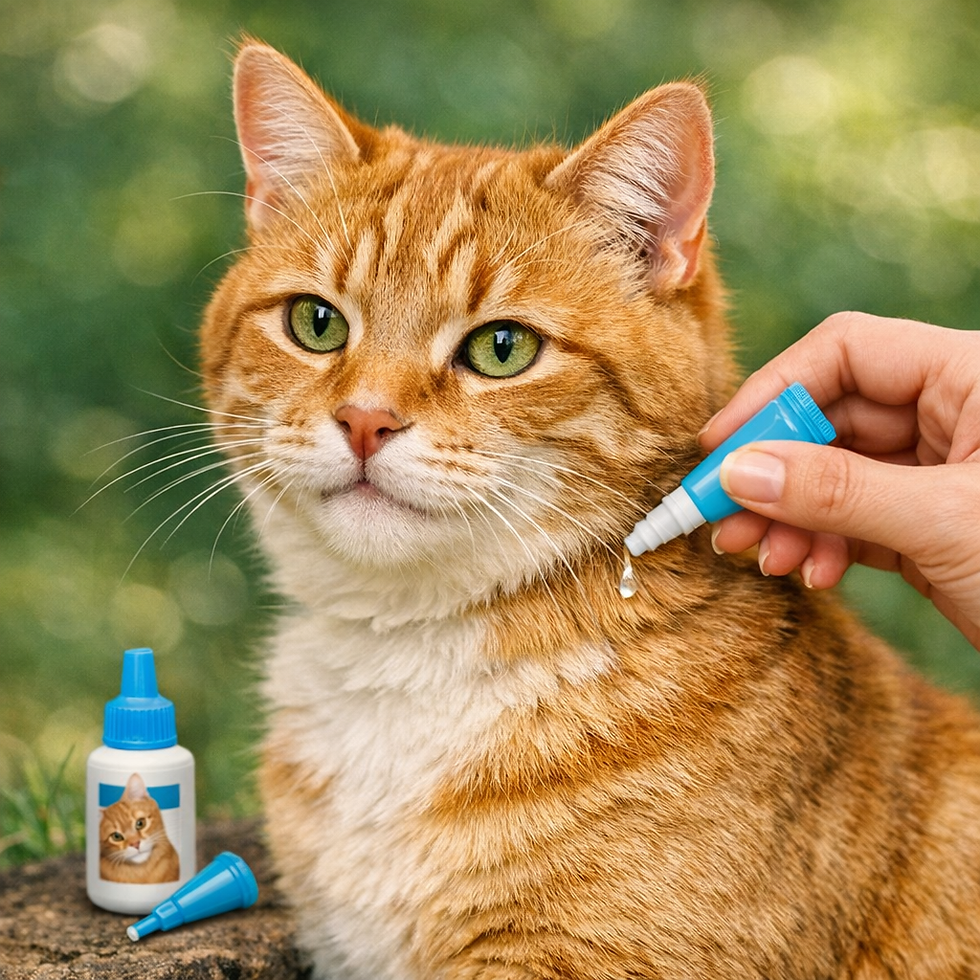
Fleas multiply quickly and cause more than irritation. They can trigger flea allergy dermatitis and transmit tapeworms to pets. Effective strategies included at: Gardens Animal Hospital
Monthly oral or topical preventives
Washing pet bedding regularly
Maintaining yard hygiene
Flea control works best when combined with tick protection under a unified flea tick heartworm preventioncapcvet+1 plan.
Tick Risks and Protection
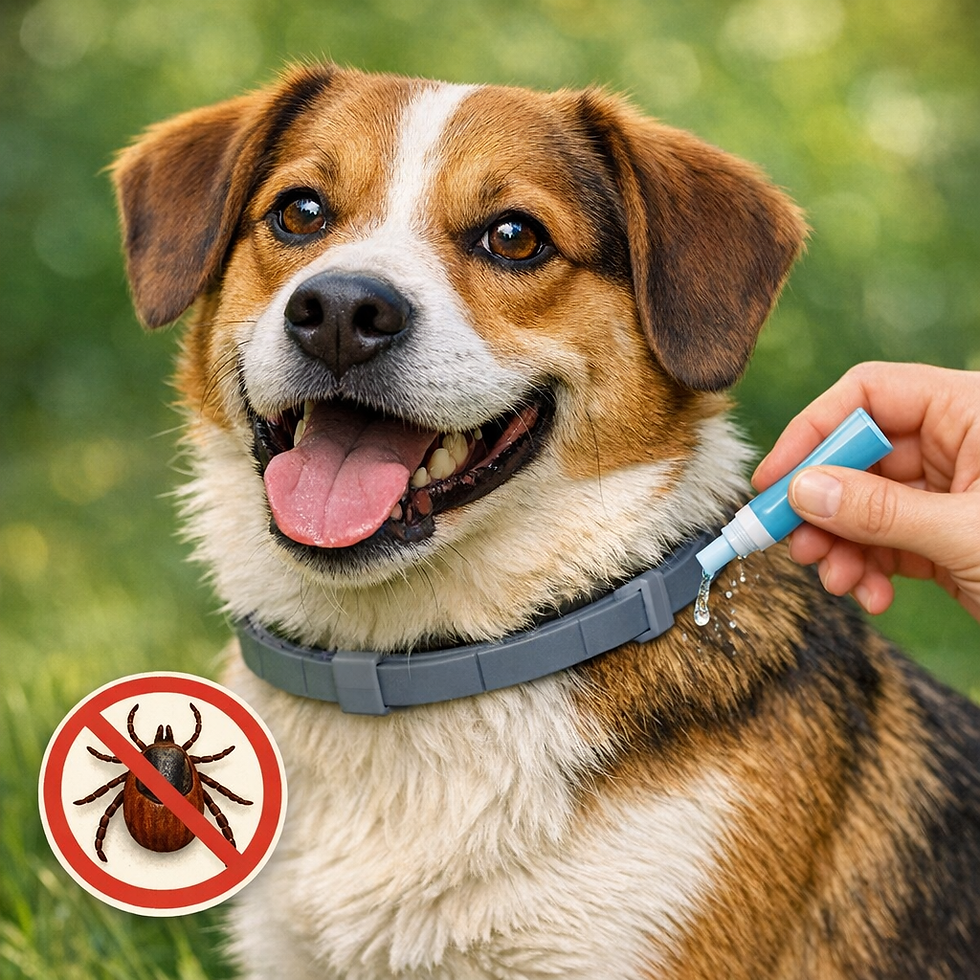
Ticks transmit serious illnesses such as Lyme disease and ehrlichiosis. CAPC forecasts highlight expanding tick‑borne disease risk nationwide. Veterinarians often recommend year‑round tick control, especially for dogs that hike, visit parks, or travel. Learn more at DMV360.
Heartworm Disease: Prevention Is Easier Than Treatment
Heartworm disease spreads through mosquito bites and affects the heart and lungs. Treatment is expensive and risky, while prevention is safe and effective. The American Heartworm Society recommends FDA‑approved heartworm preventives year‑round for dogs and cats. Learn more from the American Heartworm Society.
Key heartworm prevention facts:
Dogs should be tested annually before renewing medication
Cats, even indoor cats, are vulnerable
Monthly or long‑acting preventives stop infection before worms mature
This is a critical pillar of any flea tick heartworm preventioncapcvet+1 strategy.
Intestinal Worms: The Often‑Overlooked Threat
Puppies and kittens commonly acquire roundworms or hookworms, which can spread to people. CAPC guidelines recommend routine fecal testing and broad‑spectrum preventives to control intestinal parasites.
Preventive steps include:
Regular fecal exams based on age and lifestyle
Administering dewormers as prescribed
Practicing prompt waste disposal
Internal parasite control pairs naturally with nutrition and feeding discussions during wellness visits.
Building a Simple, Sustainable Prevention Routine
Parasite prevention works best when it becomes part of everyday pet care rather than a last‑minute task. Many modern products combine protection against fleas, ticks, heartworm, and worms in a single dose, improving compliance and convenience. Learn more from the Four County Veterinary Hospital Prevention Guide.
Actionable tips for success:
Align monthly preventives with feeding schedules
Schedule reminders around vet‑visit routines
Ask your vet to tailor protection to your pet’s environment
A consistent flea tick heartworm preventioncapcvet+1 routine supports exercise, outdoor play, and safe socialization.
Final Thoughts About Flea, Tick, Heartworm and Worms
Parasite prevention isn’t optional—it’s foundational to lifelong pet health. By understanding the risks of fleas, ticks, heartworm, and worms, pet owners can take proactive steps to safeguard their companions and households. Following flea tick heartworm preventioncapcvet+1 guidelines ensure your dog or cat stays protected year‑round, giving you peace of mind and helping your pet enjoy a healthier, happier life.


Comments