
First Vet Visit Checklist: What to Bring + What to Ask
Preparing for your pet’s very first veterinary appointment can feel overwhelming, whether you’re a new pet parent or refreshing your routine with a new dog or cat. A well-planned first vet visit checklist helps reduce stress, saves time, and ensures your veterinarian gets a complete picture of your pet’s health. From nutrition and supplements to preventive care and exercise habits, this guide walks you through exactly what to bring and what to ask.
Why a First Vet Visit Matters
The first vet visit sets the foundation for lifelong health. It establishes a baseline for your pet’s weight, behavior, and overall wellness while opening the door for preventive health strategies tailored to your pet’s lifestyle and age.
What to Bring to Your First Vet Visit Checklist
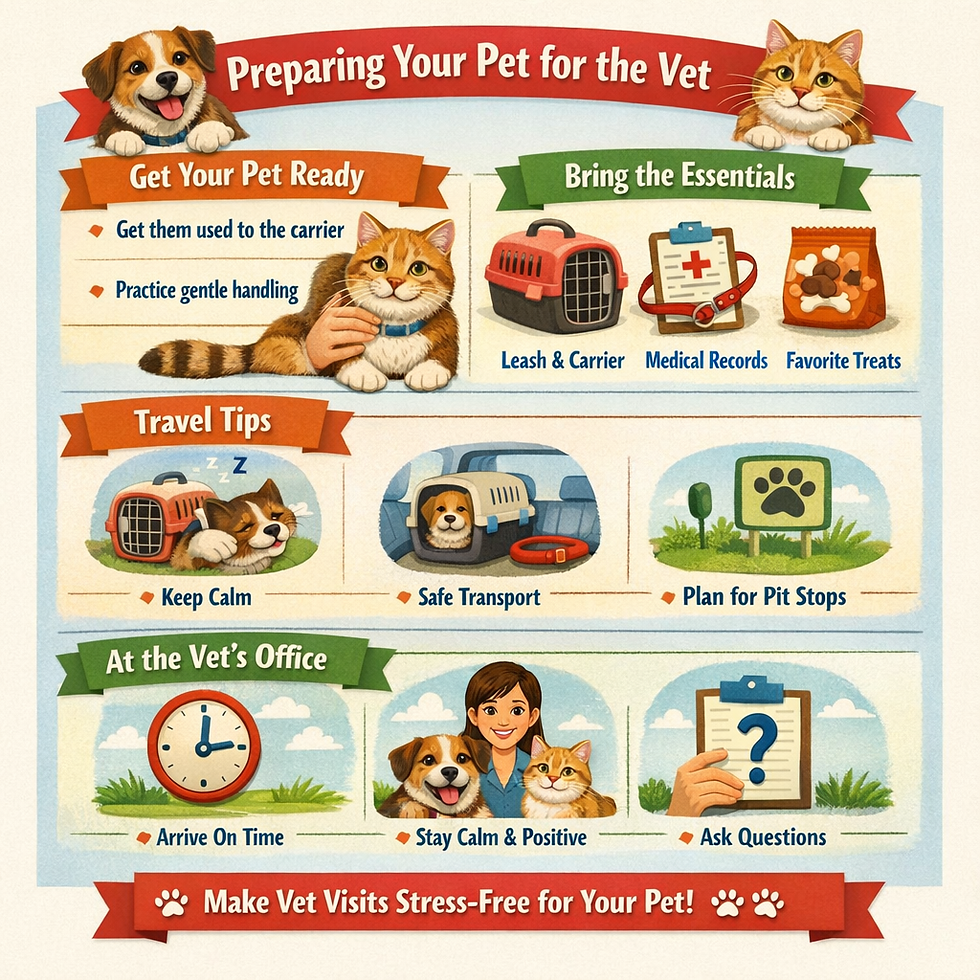
Arriving organized allows your vet to focus on care instead of paperwork. Use this first vet visit checklist to stay prepared:
Medical records (vaccinations, deworming, prior treatments)
Adoption or breeder paperwork
Stool sample, if requested
List of current food, treats, and supplements
Behavior notes (eating, sleeping, energy levels)
Carrier or leash for safety and control

Questions to Ask Your Veterinarian
Your checklist isn’t complete without thoughtful questions. These topics help guide proactive, preventive care:
Feeding & Nutrition
Is my pet’s current food appropriate for their age and breed?
Should I add supplements for joint, skin, or digestive health?
Preventive Health
What vaccinations and parasite prevention are recommended?
How often should wellness exams be scheduled?
Exercise & Lifestyle
How much daily exercise is ideal for my dog or cat?
Are there activity restrictions during growth or recovery stages?
What Your Vet Will Typically Check
Understanding the routine makes the experience calmer for pets and owners alike. A standard first appointment usually includes:
Full physical exam (eyes, ears, coat, teeth)
Weight and body condition assessment
Discussion of feeding, treats, and hydration
Review of behavior and environment
Vaccination or testing plan

Tips to Reduce Pet Anxiety
Both dogs and cats can sense stress. Try these simple tips:
Bring a familiar blanket or toy
Keep feeding light before appointments
Practice short car rides beforehand
A calm pet allows your vet to provide more accurate care and advice.
Final Thoughts
A thoughtful first vet visit checklist empowers you to advocate for your pet’s health with confidence. By preparing supplies, asking smart questions, and focusing on nutrition, exercise, and preventive care, you’re setting the stage for a healthier, happier life for your dog or cat. Bookmark this guide and revisit it before each wellness appointment to keep care consistent as your pet grows.


Comments