
Setting Up a Feeding Routine: Timing, Portions, and Consistency
Creating a reliable feeding routine is one of the most impactful steps you can take for your pet’s day‑to‑day wellness. Whether you’ve just welcomed a new puppy or kitten, or you’re refining habits for an adult pet, a consistent plan builds trust and supports long‑term health. A well‑designed feeding schedule dog cat plan helps regulate digestion, maintain healthy weight, and coordinate exercise and vet‑visit routines with ease.
Pet owners often struggle with uncertain portions, irregular feeding times, or pets that beg constantly. This guide breaks down how timing, portions, and consistency work together so your feeding routine feels manageable and effective.
Why a Consistent Feeding Routine Matters
Dogs and cats thrive on predictability. A structured feeding schedule dog cat routine helps pets understand when to expect meals, which reduces anxiety and unwanted behaviors like whining or overeating.
Benefits of consistent feeding include:
Better digestion and nutrient absorption
Easier weight management
Improved energy for play and exercise
Simpler preventive health monitoring
Feeding routines also make it easier to notice appetite changes—often an early sign that a vet visit may be needed.
Timing: When to Feed Dogs and Cats
Dogs
Most dogs do well with two meals a day—morning and evening. Puppies may need more frequent meals, while seniors may benefit from adjusted timing based on activity levels.
Cats
Cats often prefer smaller, more frequent meals. A flexible feeding schedule dog cat plan may include two main meals with healthy snacks or portioned feeders in between.
Actionable tip: Try to feed at the same times daily. Even small inconsistencies can lead to begging or digestive upset. Be sure to ask your veterinarian for specific guidance for your new family member.

Portions: How Much Is Enough?
Portion control is one of the biggest challenges for pet owners. Overfeeding can contribute to obesity, while underfeeding may affect energy and immunity.
When determining portions:
Check pet food labels for general guidance
Account for treats and supplements
Adjust based on activity level and age
Monitor body condition, not just the bowl
Your veterinarian can help fine‑tune portions during wellness exams, making your feeding schedule dog cat routine safer and more precise.
Consistency: The Key to Long‑Term Success
Consistency ties timing and portions together. Feeding the same amount at the same times daily builds trust and stabilizes metabolism.
Consistency also supports:
Easier house‑training for dogs
Reduced food stress for cats
Smoother transitions when changing food
Clearer supplement schedules
If you’re introducing supplements for joint or skin health, add them at the same mealtime each day to reinforce your routine.

Coordinating Feeding with Exercise and Vet Visits
A thoughtful feeding schedule dog cat plan aligns naturally with exercise and veterinary care. Feeding after walks helps dogs cool down, while feeding cats after play mimics natural hunting behaviors.
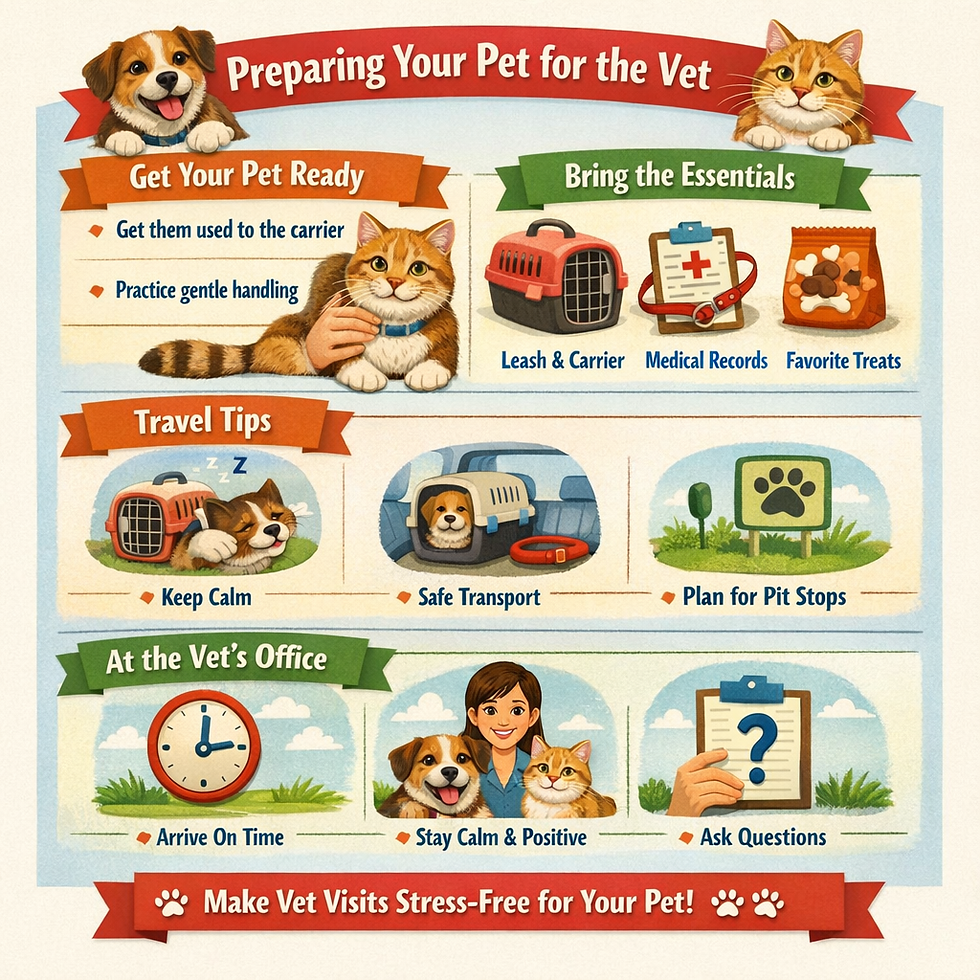
Before vet visits:
Feed lighter meals unless instructed otherwise
Stay consistent to avoid stress‑related appetite changes

Final Thoughts
Building a reliable feeding schedule dog cat routine doesn’t have to be complicated. By focusing on consistent timing, appropriate portions, and daily repetition, you create a foundation that supports nutrition, exercise, supplements, and preventive care. Start small, stay consistent, and adjust with guidance from your vet—your pet’s health and happiness will thank you for it.


Comments